The Sensor Mesh: Continuous Vitals Without a Single Wearable
The thesis
Wearables have a fatal flaw: humans. They are removed, uncharged, forgotten. Adherence decays, and the sickest, oldest and most vulnerable patients are the least likely to keep a gadget on their wrist. We are monitoring the compliant, not the at-risk.
Dissolve the device into the room
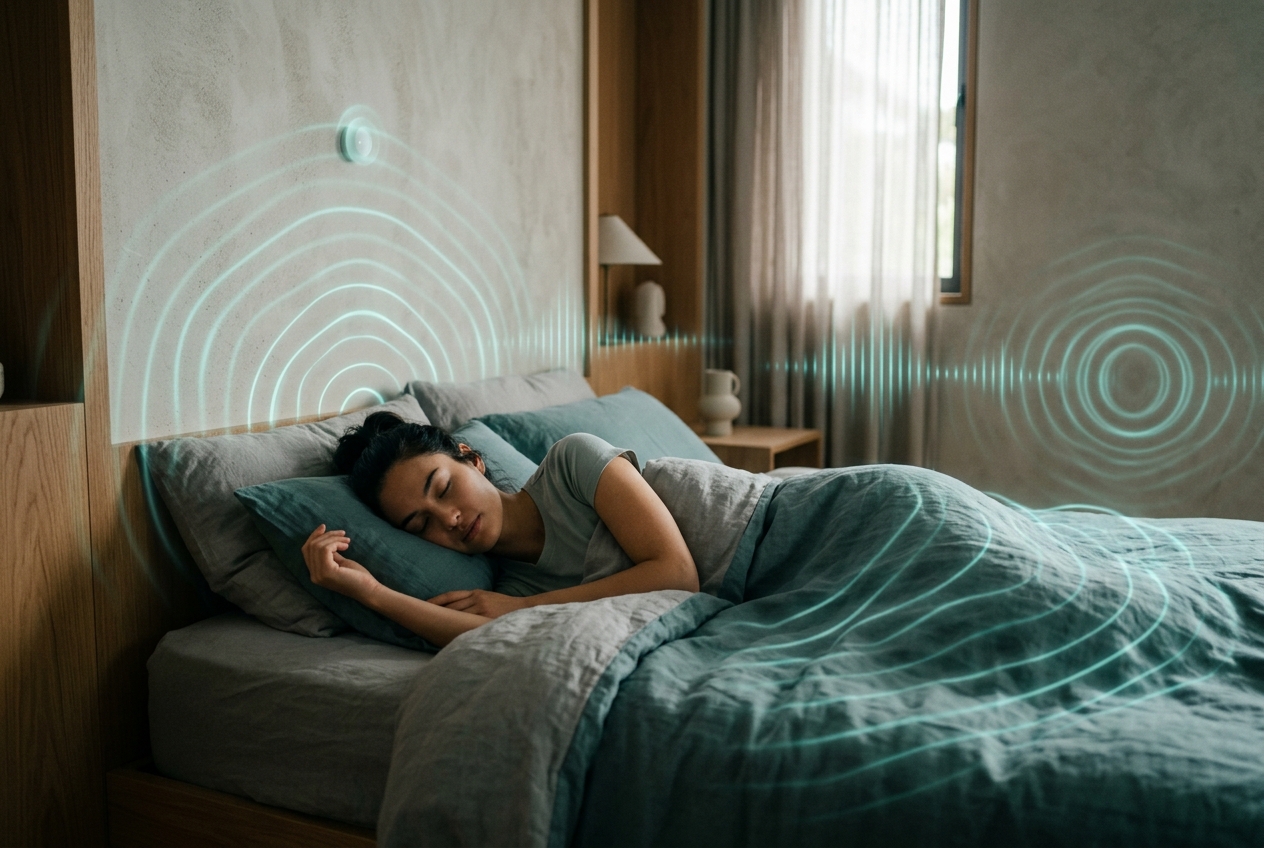
The next leap is ambient biometrics: radar and optical sensors in the ceiling that read respiration and gait; a bed that captures heart rate and movement all night; a bathroom mirror that estimates perfusion; a floor that detects a fall and the subtle shuffle that predicts one weeks earlier. No charging, no wearing, no compliance problem — the environment is the device.
Why this changes prevention
- Continuous, passive, universal. It works for the frail elder who will never manage an app.
- Early warning. Deterioration shows up in gait and sleep long before it becomes an ER visit.
- Dignity. Care that watches over you without turning you into a patient 24/7.
The obligations
Ambient sensing is powerful enough to be dangerous: consent must be explicit, data minimised, processing on-device where possible, and "monitoring" must never blur into "surveillance." Build the privacy architecture first, not last.
Provocation
Stop asking patients to remember to be measured. Build a world that measures care into the background — and reserve the patient's attention for living.
A first-principles provocation from the Anxya Health Futures desk. Directional and informational — not medical, legal, financial or regulatory advice. The point is to move the debate, then do the hard validation work.